
Helping Organizations Make Better Environmental Decisions

A California highway along the Eastern Sierra.
Environmental decisions rarely depend on science or law alone.
They require organizations to navigate changing regulations, evaluate competing risks, understand environmental consequences, and make difficult choices in the face of uncertainty.
My work brings these perspectives together by integrating science, law, ethics, policy, and risk management to help organizations make decisions that are scientifically grounded, legally informed, ethically responsible, and practically achievable.
Areas of Focus
Regulatory Strategy and Permitting
I help project teams interpret environmental requirements, identify permitting pathways, anticipate regulatory risks, and coordinate complex approval processes. My experience includes work involving biological resources, aquatic resources, protected species, environmental review, and federal, state, and local agency coordination.
Environmental Law and Policy
Environmental practice is continually reshaped by legislation, agency action, court decisions, and changing public values. I study these developments not only to understand what has changed, but also to identify the legal principles and underlying values that may influence what comes next.
Risk and Environmental Decision-Making
Complex environmental decisions often involve incomplete information, competing priorities, and uncertain regulatory outcomes. I am interested in developing practical frameworks that help professionals evaluate scientific, legal, operational, and reputational risks more systematically—and make decisions that are informed, defensible, and achievable.
An Interdisciplinary Approach
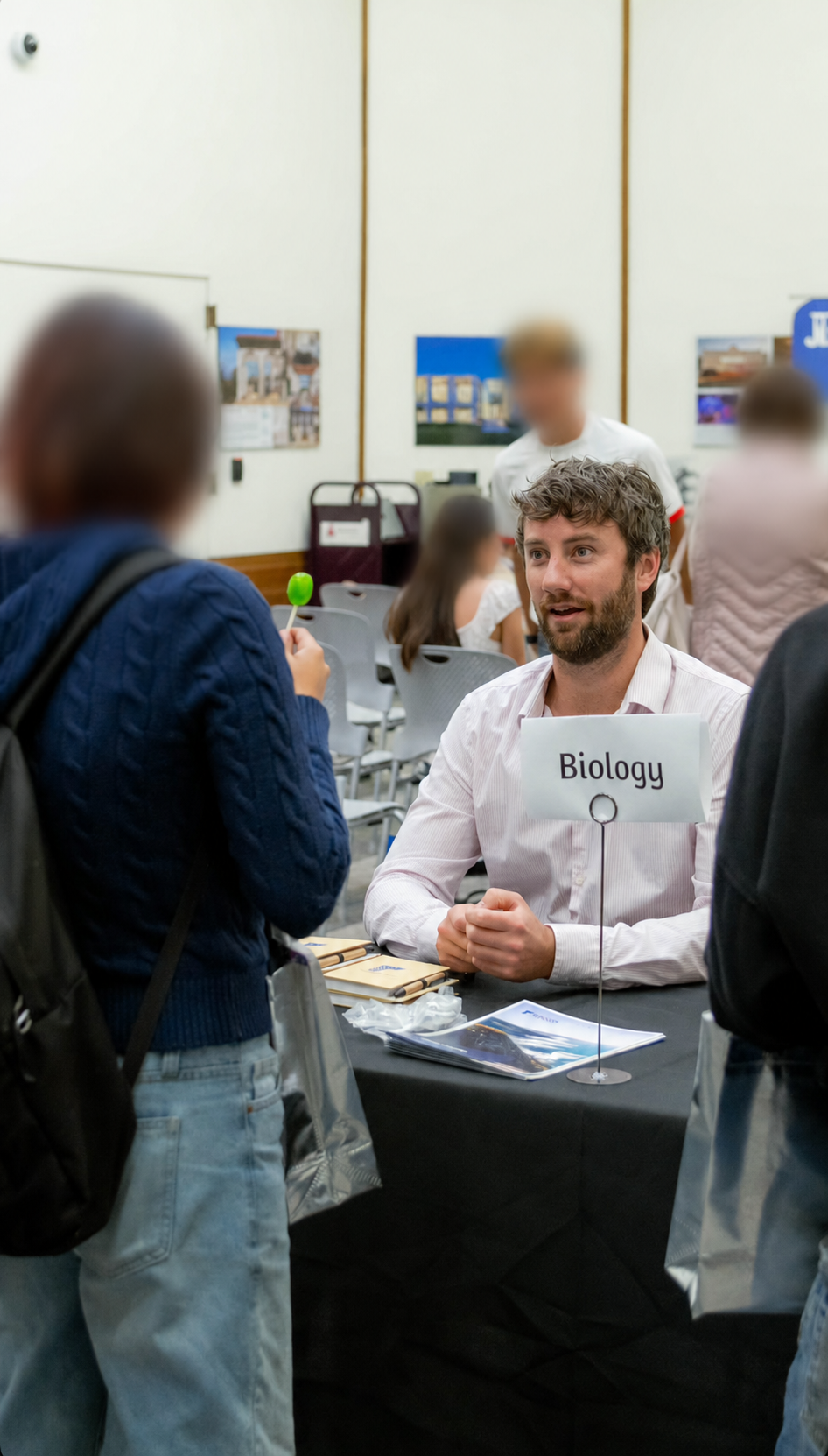
Environmental problems are rarely solved through a single discipline. Science helps us understand environmental conditions and consequences. Law establishes the boundaries of authority and responsibility. Policy shows how institutions apply those rules in practice. Ethics reveals the values and tradeoffs beneath environmental decisions. Risk management helps organizations determine how to act when the outcome is uncertain.
Bringing these perspectives together creates a fuller understanding of both the environmental problem and the practical choices available. It also helps distinguish what is scientifically desirable from what is legally required, institutionally feasible, and realistically achievable.
Background
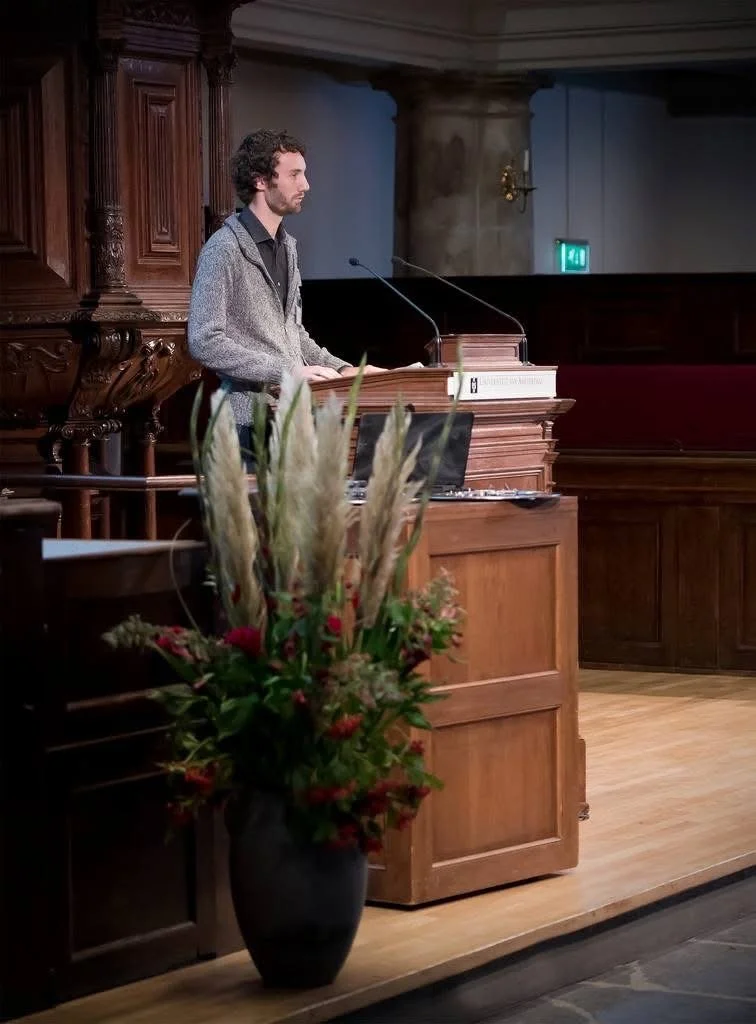
My background combines biology, ecology, environmental law, ethics, and environmental consulting. I hold an M.S. in Ecology and Evolution from the University of Amsterdam, an M.L.S. in Environmental Law from UCLA School of Law, and a B.S. in Biology from UCLA.
My professional experience includes regulatory permitting, multidisciplinary project management, environmental law and policy analysis, internal teaching, and the development of practical tools and frameworks for environmental professionals.